
Taking Responsibility for 21st Century Politics

(Originally published on Medium.com)

It is said that we are given the world we live in and we give this world to the next generations.

This is true.

We earn the right to be, to live however we wish by the very fact of our existence — regardless of the impacts on others, on our environment, on our future, on the futures of others.

We may follow in our predecessors’ footsteps and do as they did, making the same mistakes along the way.

We may observe our predecessors’ actions and choose to do nothing; or we may choose merely to complain, to live enmeshed in apathy.

We may fight our predecessors openly, demanding that they correct all that we see and believe is wrong in what they did and continue to do.

Or…

We may learn. Learn from our predecessors. Learn from our contemporaries. Learn from our own lives, from our own mistakes, from our own ideas and intuitions and feelings.

We may choose the lives we wish.

We may take responsibility wherever we wish and shirk it whenever we wish.

But consequences exist, and we cannot easily shirk consequences.

So I ask, in this day and age of politics, when we dislike our government, when we dislike the media, when we disapprove of so many parts of those directing and affecting our lives:

Will we sit back and do nothing but complain?

Will we sit back and do nothing but observe?

Will we sit back and wait for someone else to do something?

Will we sit back and demand that someone correct themselves?

Or will we listen actively?

Observe openly, with an aim to find an answer, a solution — and to act upon that answer, share that answer, share that solution and act on that solution?

For: What is an answer if kept to oneself? What is a solution never implemented? What is an action never made?

It is dead. It is death. It is continuation of the same.

It is sheer and utter irresponsibility, by the very definition of that word — for there is no response.

We who see must act. Not as our predecessors have acted, except for those whom we revere, whom we deem wise and who were effective in their aims.

We must act as our hearts and minds deem true — and in no lesser fashion.

There is no other way; and we cannot demand that someone else take responsibility for what we refuse.

So: Let us, who would take responsibility for the world as it exists, who despise the current modes of behavior of modern politicians, let us learn from them and act differently, according to our beliefs, according to our knowledge. Let us be the difference. Let us stand up and try and try and try to manage and find a better way.

Who all will take responsibility, and take accountability for the mistakes we make along the way? Who will let go of our pride and accept the burden of the past?

For it will not change unless we do.

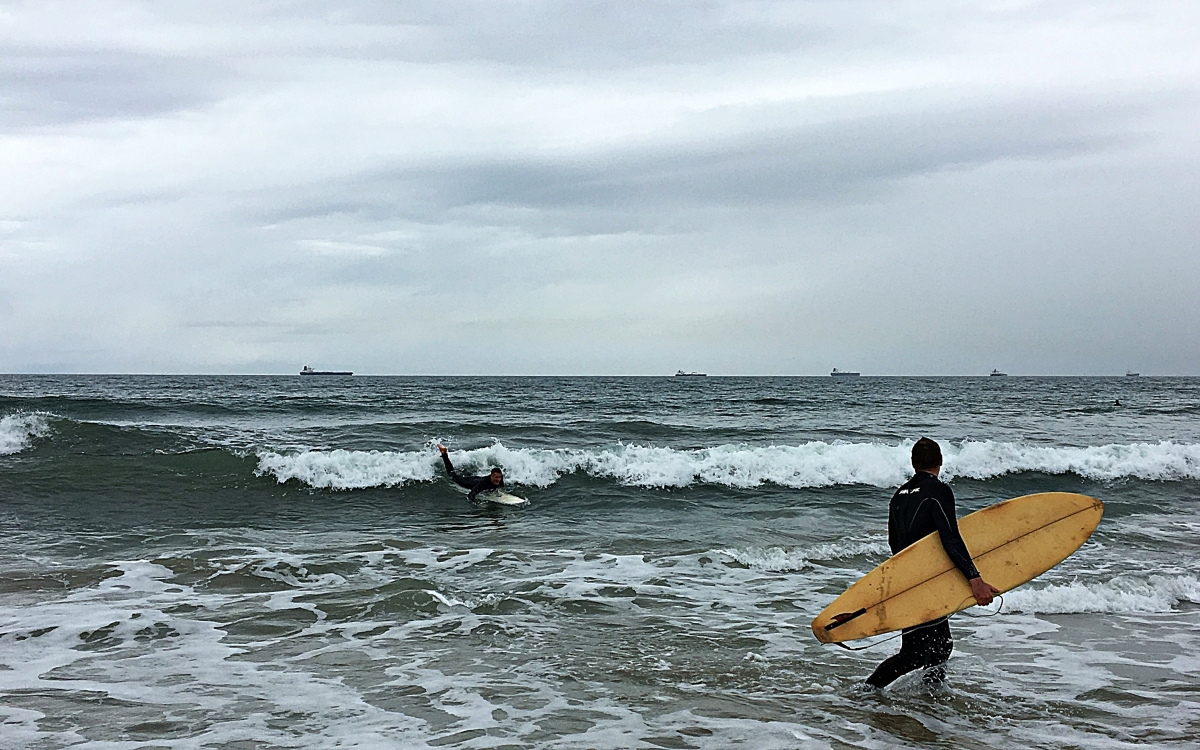
Photo ©2017 MLM

Responsible Progressivism

(Originally published on Medium.com)

I have lived the entirety of my life in the shadow of hate, and in the warm embrace of love.

As have most people — I daresay all people who are yet alive, for I don’t think there is a person alive who can live without at least some love, and who has not experienced at least some hate.

I have seen that hate attempt to overshadow love out of fear for a present situation, out of fear of the unknown, out of a desire to impart knowledge, out of sheer frustration at not knowing what to do or how to respond —

As we have likely all seen, and even done, at times.

And we all know the pain that such acts bring, whether we wish to agree or disagree on the far-reaching ramifications of such pain; and whether we wish to agree or disagree on the ultimate verdict in judging such actions.

But what seems undeniable to me is this:

We humans have been trying to manage our societies, communities and cultures with a heavy hand, with the sword, with hatred and violence for a very long time, with what quiet exceptions we barely know, as those quiet exceptions often fade away in the annuals of history and become as myths and legends, with very little left from which to learn.

And yet, we are — every day — faced with the choice to hate or to love; to respond with hatred or with love; to disregard and dismiss or to pause and understand.

Doubtless, it is a difficult path to tread: to love and to understand; for it may take an extreme amount of effort, patience, information, trust to continue loving, and to reach even the slightest understanding; and consequences may be hoped for, but not guaranteed.

Yet it is just as difficult a path to walk in hatred, and to let violence take our hand, our heart, our mind firstly and rashly — for the consequences of this path are not seen and may not be understood for moments, days, years, centuries, millennia, eons — if ever.

So, with two equally-difficult paths in which consequences cannot be known or guaranteed before-the-fact, how does one choose which path to take?

We have discovered at least some things, in our paths as humans:

We have organized our societies, predominantly and increasingly, towards non-violence — presumably because we have learned that this keeps our species alive.

We have increasingly removed and restricted violent acts from the realm of permissible behavior, even to the point of disapproving of and attempting to disallow psychological and emotional trauma towards each other (although we admit proving such trauma is both simple and complex).

So, why do we permit our political organizations, affiliations and interactions to remain predominantly violent — physically, psychologically and emotionally — and to rely upon violent ends — physically, psychologically and emotionally — in so many ways within the realm of politics?

Why is it that we cannot have a truly rational conversation regarding political organizations, political perspectives, political actions, political machinations?

Is it the nature of politics; or is it merely the habit we have adopted, unthinkingly, from such violent ancestors as those who would violently take power over other humans, who would use violent psychological and emotional means and methods to take and hold such power over other humans, to captivate people in fearful ways in order to assert a dominant will through violent methods — instead of guiding a people towards a rational predilection through intelligent persuasion?

It seems clear to me that we are upholding a violent tradition — without realizing what we are doing.

And actions are always stronger than mere words, unless those words are our predominant action.

Photo ©2017 MLM